



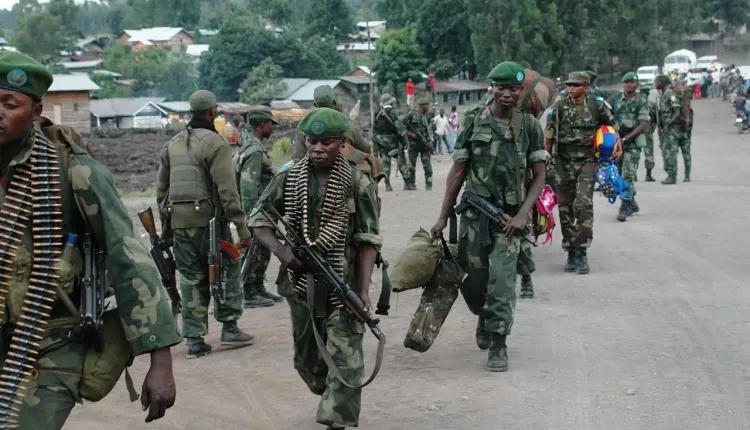
Hovering above the vast jungles and troubled borders of the Democratic Republic of the Congo (DRC), one quickly realises that this is not just a land of mineral wealth, but of simmering historical grievances, regional ego contests, and what I shall call—paradoxically—a chronic political adolescence.
The Congolese stage is one on which age-old parental feuds dance to the rhythm of modern rebellion, with regional actors slipping in and out of costume like performers in a poorly rehearsed pantomime.
The Legacy of Parental Wars: Ghosts with Guns
To understand the current chaos—most recently typified by the resurgence of the March 23 Movement (M23)— we must revisit the ghosts of the Great African War (1996–2003).
The so-called “Africa’s World War” was less a single conflict and more a family squabble gone global.
At the centre was the DRC, a bewildered heir to the collapsing empire of Mobutu Sese Seko, whose dictatorial excesses left a state so brittle that it crumbled at the whisper of rebellion.
Neighbouring Rwanda and Uganda played the role of stern, aggrieved uncles, storming in with armies under the noble pretext of border security and the ignoble thirst for Congolese riches.
Meanwhile, Angola, Zimbabwe, and Namibia entered as loyalist aunties defending Kinshasa’s shaky throne. These interventions, while initially tactical, quickly transformed into familial turf wars fought over minerals, militias, and influence.
When the dust of ceasefires finally settled, little had changed for the ordinary Congolese—except the number of graves and the number of acronyms they had to learn.
M23: A Rebellious Nephew or Just a Pawn?
Fast forward to today, and we find ourselves facing yet another round of alphabet-soup insurgency — M23. Born from the ashes of a previous failed integration agreement in 2009, M23 is like the teenage son who never fully accepted the terms of his adoption into the national army.
Instead, he has returned, disillusioned and well-armed, fuelled by allegations of government neglect, ethnic marginalisation, and a recurring motif in Congolese drama: the proxy war.
Rwanda — again accused of playing puppeteer—denies involvement with all the grace of a caught-out uncle insisting he was merely “visiting.” Yet, the weapons, uniforms, and cross-border movements suggest otherwise.
Uganda, no stranger to this playbook, watches with a mixture of feigned innocence and strategic positioning. The international community, meanwhile, issues strongly worded statements—modern-day epistles to the wind.
The Regional Ripples: When Kinshasa Sneezes…
The DRC’s troubles are never contained. When Kinshasa sneezes, Goma catches pneumonia, Kigali calls an emergency meeting, Kampala adjusts its border patrols, and Nairobi revisits its diplomatic memos.
The East African Community (EAC) recently flirted with deploying a regional force, yet coordination has been as effective as an orchestra playing with different sheet music.
Local economies suffer. Refugee flows surge. Cross-border trade is disrupted. And mineral smuggling thrives in the shadows, funding warlords who have long abandoned ideology for diamond-studded boots and satellite phones.
The Church, the State, and the Tragedy of Governance
At the heart of it all lies a crisis of governance. The Congolese Church, ever the moral compass, finds itself both priest and prophet—offering sanctuary to the wounded and scolding the politicians with biblical fervour. Yet, even the pulpit has its limits when bullets fly and ballots are stolen.
President Félix Tshisekedi, navigating alliances both internal and international, must balance legitimacy with survival. But in a nation where power is wielded more from the barrel than the ballot, reform remains a whispered dream.
Conclusion: Of Hopes, Hiccups, and Historical Hangovers
The DRC’s political landscape is less a chessboard and more a jungle—lush, rich, and treacherous. Its history of “parental wars” continues to echo through the M23 saga, and the region’s fate remains bound to the choices of men who refuse to learn from yesterday.
There is hope, yes—but it wears a flak jacket and carries a Bible.
Until the day when governance finally triumphs over greed, when citizenship means more than ethnicity, and when neighbours choose partnership over plunder, we shall continue to orbit this tragic theatre with grim fascination.
Dr Sibangilizwe Moyo writes on Church & Governance, politics, legal and social issues. He can be reached at [email protected].